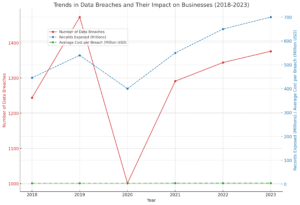
In today’s digital landscape, businesses depend heavily on SEO tools to strengthen their online visibility. These platforms help uncover valuable keywords, refine on-page content, and monitor website performance. Yet as data breaches and privacy issues continue to escalate in 2026, skepticism is mounting around the safety and reliability of bulk-purchased SEO tools.

Privacy concerns with SEO tools are a major issue for businesses because these tools often collect and store sensitive information about website visitors, impacting user experience. This information can include IP addresses, search history, and personal details like name and email address.
If this information falls into the wrong hands, it can be used for malicious purposes like identity theft or phishing scams. Therefore, businesses should be aware of the privacy policies of the SEO tools they use and take steps to protect their customers’ data.
Exploring privacy concerns in bulk-bought SEO tools can help businesses make informed decisions about the tools they use. By understanding the risks and benefits of different technical SEO tools, businesses can choose tools that prioritize privacy and security.
This article will delve into the privacy concerns surrounding bulk-bought SEO tools and provide tips for small businesses to protect their data and their customers’ data.
Assessing the Risks of Bulk-Bought SEO Tools

Bulk-purchased SEO tools can provide businesses with a cost-effective way to get access to multiple SEO tools like tools. However, it is important to assess the risks associated with these tools before making a purchase. In this section, we will explore the key factors that business owners should consider when assessing the risks of bulk-purchased SEO tools.
Data Security and Privacy Concerns

One of the most significant risks associated with bulk-purchased SEO tools is data privacy and security. When using these tools, business owners must ensure that their data is safe from online threats such as hacking, data breaches, and cyber attacks. To mitigate these risks, businesses should use strong passwords, enable two-factor authentication, and ensure that their privacy settings are set to the highest level possible.
Understanding the Implications of Shared SEO Tools
Sharing SEO tools through a group buy service can raise significant data privacy concerns. By granting access to these tools to multiple users, there is a risk that sensitive SEO data, such as keyword strategies, analytics reports, and backlink information, could be accessed by others. To prevent this, businesses should use virtual private networks (VPNs) and ensure that their data is encrypted.
Mitigating Potential Threats to User Privacy
To mitigate potential threats to user privacy and address privacy concerns, businesses should ensure that their SEO tools are compliant with relevant data protection regulations. This includes data minimization, which means that only the minimum amount of data necessary should be collected and processed. Additionally, businesses should ensure that their SEO tools have user-friendly privacy settings and that their privacy policies are clear and concise.
Strategic Use of SEO Tools While Protecting Privacy

With the increasing importance of SEO in digital marketing, SEO tools have become an essential component of any SEO strategy. However, as these tools often require access to sensitive data, privacy concerns have also become a major issue. In this section, we will explore how to strategically use SEO tools while protecting privacy.
| Action | Explanation |
|---|---|
| Use HTTPS-enabled sites | Secure sites with HTTPS to protect data transferred between your site and users. |
| Limit access to sensitive data | Restrict who can see important data to keep it safe. |
| Anonymize data | Change details in the data so you can’t tell who it’s about, keeping user identities safe. |
| Regular SEO audits | Check your SEO regularly to find and fix any privacy issues. |
| Use robots.txt files | Use this file to control what search engines can see and index on your site. |
| Follow SEO-friendly practices | Use tags and avoid mistakes that hurt your site’s visibility and privacy in search engines. |
Incorporating Privacy Measures in SEO Strategies
When developing an SEO strategy, it is important to consider privacy concerns and incorporate privacy measures. This includes using tools that have strong privacy policies, limiting access to sensitive data, and anonymizing data whenever possible. In addition, website owners should ensure that their sites are HTTPS-enabled and have a robots.txt file to control what search engines can crawl.
Best Practices for Privacy-Conscious SEO
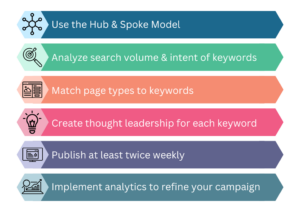
To ensure that SEO efforts are privacy-conscious, it is important to follow best practices. This includes conducting regular SEO audits to identify any privacy concerns, such as broken links or duplicate content. It also involves using SEO-friendly tags and avoiding errors that may negatively impact search engine rankings.
Leveraging SEO Tools for Maximum Benefit and Minimum Risk
SEO tools offer a range of features that can help improve website visibility, traffic, and search engine rankings. Popular tools such as Google Analytics, Google Search Console, Ahrefs, SEMrush, and Screaming Frog can provide valuable insights into website performance, backlinks, and keyword research. However, it is important to use these tools with caution and ensure that they are not compromising privacy.
To get the most from SEO tools in 2026 while keeping your data safe, focus on a privacy-first approach. Choose platforms with transparent, robust privacy policies and strong security standards, and restrict access to sensitive information, anonymizing data wherever possible. Schedule regular SEO and privacy audits to uncover and fix potential weaknesses, and ensure your site runs over HTTPS with a properly configured robots.txt file to control what search engines can access. Maintain clean, SEO-friendly tags and fix technical errors that could harm your visibility, and when in doubt, partner with an agency that specializes in privacy-conscious SEO so you can follow best practices without sacrificing performance.