Shared SEO tools have become increasingly popular in recent years, particularly among entrepreneurs and small businesses looking to stand out against larger competitors. Top-tier SEO platforms are often expensive, with subscription fees reaching hundreds or even thousands of dollars per month. But with the rise of collective SEO tools in 2026, businesses can now access these premium features at a fraction of the cost, making powerful SEO technology more attainable than ever.

Digital marketers debate how to best use collective SEO tools. Some say they should only be used for research and analysis, while others think they can handle tasks like keyword research, backlink analysis, and site audits. It’s important to remember that while these tools offer valuable insights, they shouldn’t be the sole basis of an SEO strategy.
This article will explore the proper usage of collective SEO tools, offer tips to maximize their effectiveness, and discuss potential drawbacks and how to avoid common pitfalls. By the end, readers will better understand how to integrate these tools into their digital marketing strategy.
Understanding SEO Fundamentals

Search engine optimization (SEO) is the process of optimizing a website or a web page to increase its visibility and ranking on search engine result pages (SERPs). SEO is a complex and ever-evolving field that requires a deep understanding of search engine algorithms, user behavior, and technical website optimization.
The Role of Keywords in SEO
Keywords are the foundation of SEO. They are the words and phrases that users enter into search engines to find relevant information. Keywords play a crucial role in determining the relevance and ranking of a website or a web page. It is essential to choose the right keywords and use them effectively throughout the content to improve the website’s visibility and ranking.
Importance of Technical SEO

Proper Usage of SEO Tools and Their Functions
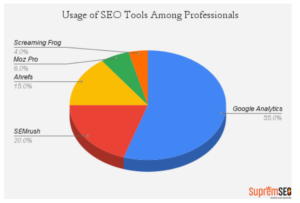
SEO tools are crucial for understanding website performance, identifying issues, and optimizing for search engines. They offer various functions like keyword research, technical analysis, link building, and content optimization. Popular tools include Google Analytics, SEMrush, Ahrefs, Moz, and Screaming Frog. These tools help monitor performance, identify issues, and optimize websites effectively.
Understanding SEO fundamentals is key to optimizing a website. Using the right techniques and tools, website owners can improve results, increase traffic, and boost revenue. For more on leveraging SEO tools, read our comprehensive guide.
Developing an Effective SEO Strategy

Developing an effective SEO strategy is critical to achieving online success. A well-crafted strategy can help you improve your website’s visibility, attract more organic traffic, and increase your rankings on search engines. Here are some key components of an effective SEO strategy:
Keyword Research and Targeting
Keyword research and targeting are crucial for any SEO strategy. This involves researching and identifying relevant keywords and phrases that your target audience is searching for. Once you have identified these keywords, you can optimize your website’s content to include them in the right places, such as the title, meta description, headers, and body text. By doing so, you can help search engines understand what your website is about and improve your chances of ranking higher for those keywords.
On-Page and Off-Page Optimization
On-page and off-page optimization are vital for any SEO strategy. On-page optimization involves enhancing your website’s content and structure to be more search-engine friendly. This includes optimizing title tags, meta descriptions, headers, and internal links. Off-page optimization focuses on building high-quality backlinks from authoritative websites, which boosts your site’s authority and improves its search engine rankings.
Measuring SEO Success

Measuring SEO success is essential to determining the effectiveness of your SEO strategy. This involves tracking and analyzing key metrics such as organic traffic, keyword rankings, and engagement metrics. You can use tools such as Google Analytics and rank-tracking software to monitor your website’s performance and identify areas for improvement.
Overall, developing an effective SEO strategy requires a combination of keyword research, on-page and off-page optimization, and measuring SEO success. By focusing on these key components, you can improve your website’s visibility, attract more organic traffic, and increase your rankings on search engines.
.embed-container { position: relative; padding-bottom: 56.25%; height: 0; overflow: hidden; max-width: 100%; } .embed-container iframe, .embed-container object, .embed-container embed { position: absolute; top: 0; left: 0; width: 100%; height: 100%; }
Advanced SEO Techniques
To stay ahead of the competition and achieve maximum visibility on SERPs, businesses need to implement advanced SEO techniques. Here are some of the most effective techniques to improve rankings and drive traffic:
Leveraging SERPs for Maximum Visibility
SERPs (Search Engine Results Pages) are the pages that appear after a user enters a query in a search engine. To leverage SERPs for maximum visibility, businesses need to optimize their content for featured snippets, which are the highlighted boxes that appear at the top of search results.
To optimize for featured snippets, businesses need to identify the most commonly asked questions in their niche and provide clear and concise answers. They should also use bullet points and tables to make the content easily understandable.
Building Authority through Quality Backlinks

Backlinks are a crucial factor in determining a website’s authority and credibility. However, not all backlinks are created equal. To build authority, businesses need to focus on acquiring high-quality backlinks from reputable sources in their niche.
To acquire high-quality backlinks, businesses should create informative and engaging content that other websites will want to link to. They should also reach out to influencers and thought leaders in their niche and ask them to share their content with their followers.
Enhancing User Experience for Better Rankings
SEO Tools in Practice

When it comes to implementing SEO strategies, SEO tools play a crucial role in helping businesses achieve their goals. Here are some ways in which SEO tools can be used in practice:
Comprehensive Site Audits
Site audits are an essential part of SEO, and using SEO tools such as Moz Pro, Ahrefs, and SEMrush can help businesses conduct comprehensive site audits. These tools can identify technical issues that may be hindering the site’s performance and provide recommendations for improvement.

Competitor Analysis for Strategic Insights
Competitor analysis is an important aspect of SEO, and using SEO tools can help businesses gain strategic insights into their competitors’ strategies. Tools such as Ahrefs and SEMrush can help businesses identify their competitors’ top-performing pages, backlinks, and keywords, which can be used to inform their own SEO strategy.
Monitoring and Adapting to Search Engine Algorithms

Search engine algorithms are constantly changing, and SEO tools such as Moz Pro, Ahrefs, and SEMrush can help businesses stay up-to-date with these changes. These tools can monitor search engine algorithms and provide insights into how these changes may impact a site’s performance. This information can be used to adapt and optimize a site’s SEO strategy accordingly.
In conclusion, leveraging SEO tools such as Moz Pro, Ahrefs, and SEMrush can significantly strengthen your overall strategy. These platforms enable you to run in-depth site audits, uncover valuable insights into competitors’ tactics, and stay aligned with evolving search engine algorithms so you can continuously refine and improve your SEO performance.
Frequently Asked Questions
How can beginners effectively utilize SEO tools to improve their website ranking?
Beginners should start with foundational keyword research and naturally integrate those terms into their content. Prioritize mobile responsiveness, fast page speed, and high-quality, user-focused content. Essential starter tools in 2026 include Google Analytics, Google Search Console, and SEMrush.
What are the essential features to look for in on-page SEO tools?
Look for tools that offer robust keyword research, content optimization suggestions, site speed diagnostics, and mobile performance analysis. Comprehensive reporting and clear analytics are also crucial. Leading options include Ahrefs, Moz Pro, and Yoast SEO.
Which free SEO tools provide the best value for digital marketers?
High-value free tools include Google Analytics, Google Search Console, and SEMrush’s limited free features, which together deliver insights on traffic, keyword performance, and key engagement metrics. You should also explore Ubersuggest, AnswerThePublic, and Google Trends for additional keyword and topic research.
When using SEO tools to optimize content on YouTube, start by conducting thorough keyword research to shape your video topics and align your titles, descriptions, and tags with high-value search terms. Monitor key performance metrics such as watch time, audience retention, and engagement indicators including likes, comments, and shares to refine your approach. In 2026, some of the most effective tools for YouTube optimization remain TubeBuddy, VidIQ, and Social Blade, which can help you uncover opportunities, benchmark performance, and continuously improve your channel’s visibility.